A big disagreement that my boyfriend and I had this year was about Unconscious Bias Tests that show you your unconscious reaction to a minority population. Last year, I took an online test that seeks to demonstrate our deeply-buried unconscious reaction to black people that we can’t see in the conscious realm. You have to do the test at a very quick pace, and they show you pictures of people, some black, some white. At the same time, they show you adjectives, and you have to quickly click the words you associate with the race that pops up. It can be interesting and humbling to see the results, that for all the objectivity you thought you had, you are not impervious to the racial biases hidden in our culture. I appreciated what the test revealed. My boyfriend, however, is against the tests- he says they have been shown to increase racism after the test is done, or that hiring racial minorities goes down after people in HR take the test. He made me read an article (which I did), and there are other studies out there that apparently reveal that the test is ineffective.
I get what they’re saying. I’ve noticed as well when I become aware of something, I become more reactive around it, not less, but I certainly don’t wish the knowledge away. I’ve increased my knowledge around race and racism in recent years, and now I notice race all the time, way more than I did before when I was naive on the topic.
I took a mindfulness class in around 2015 and through self-observation, had already had some revelations around my unknowing/unwilling participation in the hierarchy that our culture builds around race. Then in 2019, I pulled a “karen” move and called the police on a black man trying to deliver a package to my house. He was calling and texting to know if I was home so he could deliver it. I was home, but I didn’t know I was receiving a package, and I immediately went into panic mode, thinking he was going to rob my house because it was Christmas. I have had pretty sane conversations with Indian and white men trying to deliver me packages when I wasn’t home- this was the first time I turned into a puddle of trembling nerves around a package delivery. When the lady at 911 said, “call us if you’re actually in trouble”, it was a reminder that I was ok, and over time, I eventually came to see this as me knowing enough to feel like I was in a special place to extract meaning from an interaction, but not knowing enough to know that the meaning I was extracting was wrong.
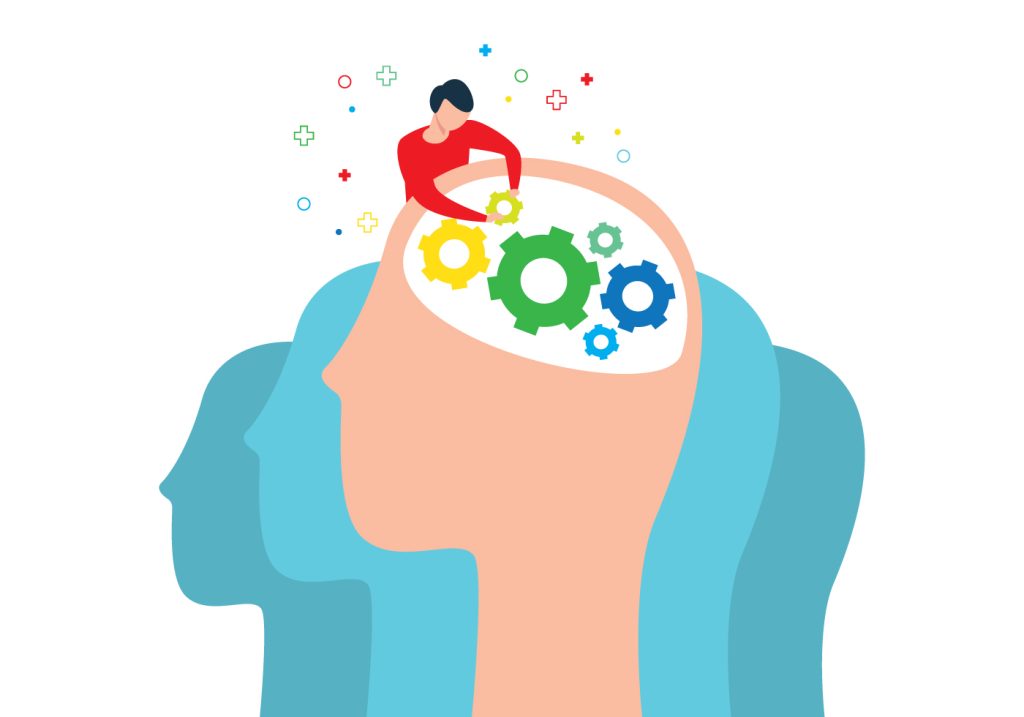
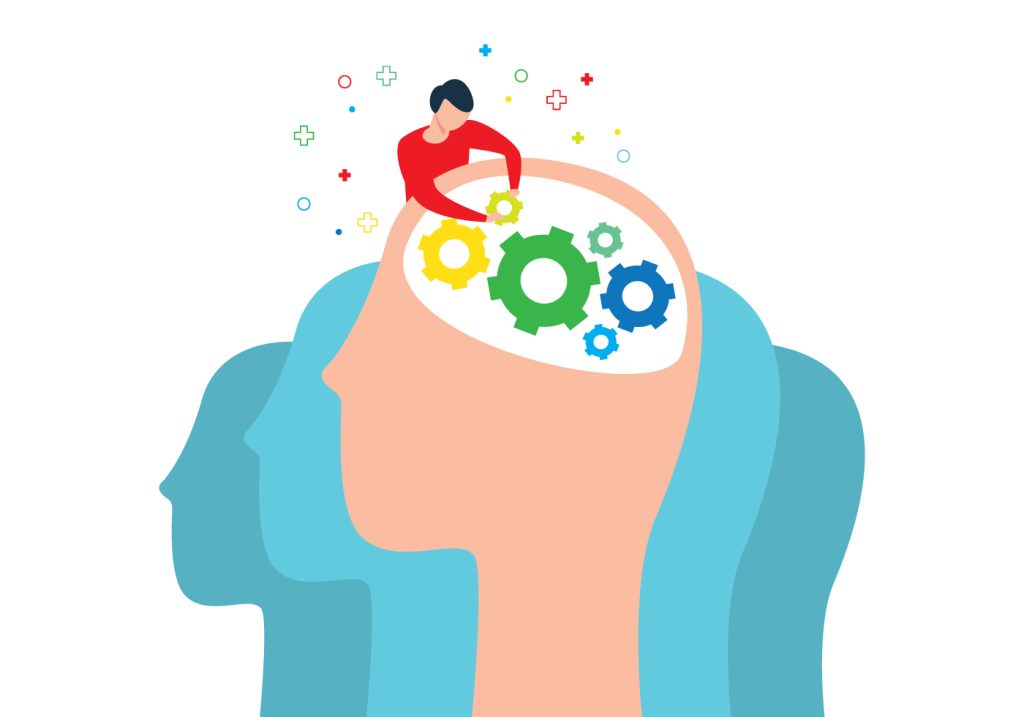
I can see how, after a person receives a short training session on race where meaning is attributed to their reaction, the stakes are higher when they contract now because not only do they contract, but now someone has told them that it means something bad about them. So they may have a stronger reaction than before, because now, not only are they having an initial contraction against whatever racialized “event”, but now it’s layered because they have to fight back against the meaning. I think the reaction would also increase in intensity if you disagreed with the meaning you were supposed to attribute to your reaction. I’d be curious to see a study done on the intermediary steps between totally naive to having a full picture of what it means to have white privilege.
I recently had a revelation when I was talking to a very gentle-mannered female friend, and a mutual acquaintance walked up to us and started talking about something political that he knew I wouldn’t like. Immediately within the first sentence, I was having an angry reaction to what he was saying. I knew exactly where he was going and what his underlying beliefs were. My female friend, however, didn’t have any of the red flags pop up that I did because she wasn’t familiar with how the conversation was politicized. She made her way gently and thoughtfully through the conversation, agreed with him on some things, and disagreed with others. I reflected on how little I was able to converse with this person in any meaningful way because the sparks were flying in my mind. Does that mean my reading on the topic was ineffective and I regret learning it? No, I appreciate the learning I had, but I definitely have a new challenge now that I’m familiar with the landscape: I have to navigate it now with a relaxed presence.
Last week I was talking with a friend about Bunny, the youtube sensation dog who has been taught to press buttons to talk to her owner. The “speaking” ability of this dog is wild: she grasps concepts like emotions, can indicate she has pain in different parts of her body, can ask about the well-being of her animal friends, knows the difference between past and present, and has even had some existential realizations. The owner had put a mirror in front of the buttons, and one day, looking into the mirror, Bunny asked, “who is Bunny?” There have been a few times now where Bunny has asked what is her relationship to the owner, and the owner always says some variation of “Bunny is friend” or “Bunny is animal” while also specifying that the owner herself is an “animal”. I haven’t checked this out, and it’s been a while since I’ve watched Bunny’s videos, but my friend told me that the owner has recently had to put Bunny on anti-depressants because she was weighed down by her new knowledge.
It’s common to think we’ll be better off if we can put the cat back in the bag, or should I say, put the dog’s self-consciousness back in the bag. As a deep-diver who is always seeking new depths, I have found myself very much weighed down by knowledge and I have to wrestle with demons that I didn’t have before. If I’m encountering a stressful situation that could reveal something negative about me, I’m going to fight that meaning and possibly have an ugly reaction. So are we better off being ignorant? I think it just increases the volume on the call to have a closer relationship with our bodies.

